An Open Invitation
A great and marvelous work is about to come forth unto the children of men. . . . Now, as you have asked, behold, I say unto you, keep my commandments, and seek to bring forth and establish the cause of Zion. (D&C 6:1,6)
Send forth the elders of my church unto the nations which are afar off; unto the islands of the sea; send forth unto foreign lands; call upon all nations, first upon the Gentiles, and then upon the Jews. And behold, and lo, this shall be their cry, and the voice of the Lord unto all people: Go ye forth unto the land of Zion, that the borders of my people may be enlarged, and that her stakes may be strengthened, and that Zion may go forth unto the regions round about. (D&C 133:8-9)
The choice to come unto Christ is not a matter of physical location; it is a matter of individual commitment. People can be “brought to the knowledge of the Lord” without leaving their homelands. True, in the early days of the Church, conversion often meant emigration as well. But now the gathering takes place in each nation. The Lord has decreed the establishment of Zion in each realm where He has given His Saints their birth and nationality. (Russell M. Nelson, November 2006)
Establishing Zion has been a focus of The Church of Jesus Christ of Latter-day Saints since the Restoration began in the 1820s. Prophets throughout the ages have looked forward to our day when Zion would be established again on the earth. Given the number of revelations and prophetic pronouncements about Zion, what more can we say, other than “follow the prophets”?
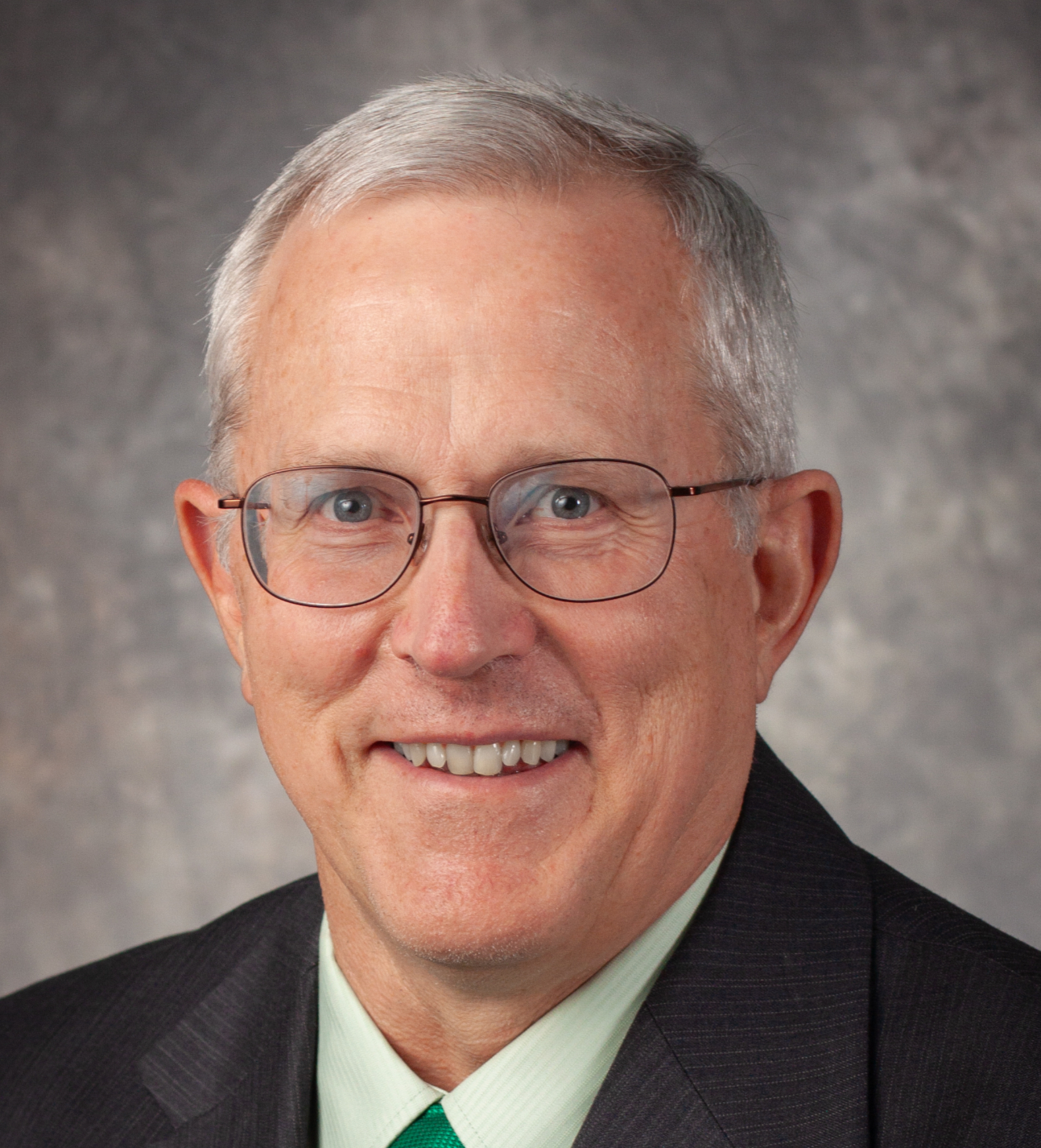
I believe there is more to be said, and my purpose in sponsoring this website and the book it is based on is simple on the surface. As I read the scriptures and the admonitions of the prophets, I find volumes of vitally important guidance on how to focus on the Savior to live a more Christlike life and thereby personally qualify to live in Zion. I find relatively little that describes how a Zion society will function. This website and the book are an attempt to explore the question, What will Zion be like?
All my life, I have loved playing in the small, seasonal rivers and creeks in the western United States; rivers you can walk across in the summer; moving water strewn with bowling-ball rocks, just as rounded but not nearly so regular. Within minutes of arriving, I inevitably look for the best place to create a temporary hand-built dam, knowing full well that it won’t survive the next heavy runoff. Part of the joy is knowing that no one has built a dam quite like this one in exactly this place. I also love creatively meeting the practical engineering challenges with only hands, a smorgasbord of rocks, and a bit of mud. I rarely finish in the time available, but that is not the point. The attempt never fails to produce pleasure in the effort.
In this Establishing Zion project, I find myself building again, not with rocks but with ideas and words. There is no fantasy that I am the first. There is no expectation that I can do it alone. All my ideas and words may amount to no more than a small stone in the magnificent structure of Zion. In time, even the connection I have to that stone will be forgotten. And that is fine. There is joy in productively striving with others to meet the challenges of creating Zion.
My second reason for launching this focus on Zion is that little has been written about non-Church institutions and organizations in Zion. There is every reason to believe there will be people living in Zion who are not members of the Church of Jesus Christ of Latter-day Saints. Consequently, the organization of Zion will need to accommodate and meet the needs of those citizens as well. I believe that a richer understanding and vision of a Zion society may contribute in some small way to its realization.
Nearly 50 years ago, President Spencer Kimball summarized what we must do individually to establish Zion. We must eliminate the individual tendency to selfishness that snares the soul, shrinks the heart, and darkens the mind. We must cooperate completely and work in harmony one with the other. There must be unanimity in our decisions and unity in our actions. We must lay on the altar and sacrifice whatever is required by the Lord.
If we act with this motivation, we are ready to engage in the task of building a Zion society. But what will that society look like and how will it function? If we have a clearer vision of the end result, we may be more effective in accomplishing it.
So, what is this Establishing Zion project? It has a healthy measure of history, both ancient and modern. There is a good bit of reasoning and system-building from first principles. There is a large dollop of faith and willingness to take prophetic teachings at face value. And inevitably, there is aspiration—lots of aspiration, as history, a bit of social science, system building, and faith come together to provide a vision of the tumbled streambed before us, with a structure far more permanent and glorious than piled river rock.
I have no special claim to authority, and I certainly do not speak for The Church of Jesus Christ of Latter-day Saints. While I quote extensively from scripture and from the prophets, ultimately each of us must decide where truth lies. If you, as you visit this site or read the book, disagree with my interpretations and theories, I will not be offended. I will feel like George A. Smith when, in 1844, he commented regarding the incomplete efforts of the Council of Fifty to draft a new constitution: “Our researches have done us good. By taking this course we gain wisdom & prudence much better than we would if we had set down like chickens to wait for the Lord to give it.”
So please, share your thoughts, bring your own stones and mud to the stream and may we together bring our families, our organizations and our communities closer to the Zion we are commanded to build.
Comments